

Xanthelasma: Causes, Symptoms and Treatment for Yellow Patches Around the Eyes
Noticing yellowish patches on your eyelids? These may be xanthelasma, soft, yellowish deposits that develop around the eyes. Although usually harmless and painless, they may sometimes be associated with high cholesterol or other metabolic conditions.
At SkinMuse Plus Clinic, Nashik, we offer professional skin assessments and personalised guidance on suitable xanthelasma treatment options.
What Is Xanthelasma?
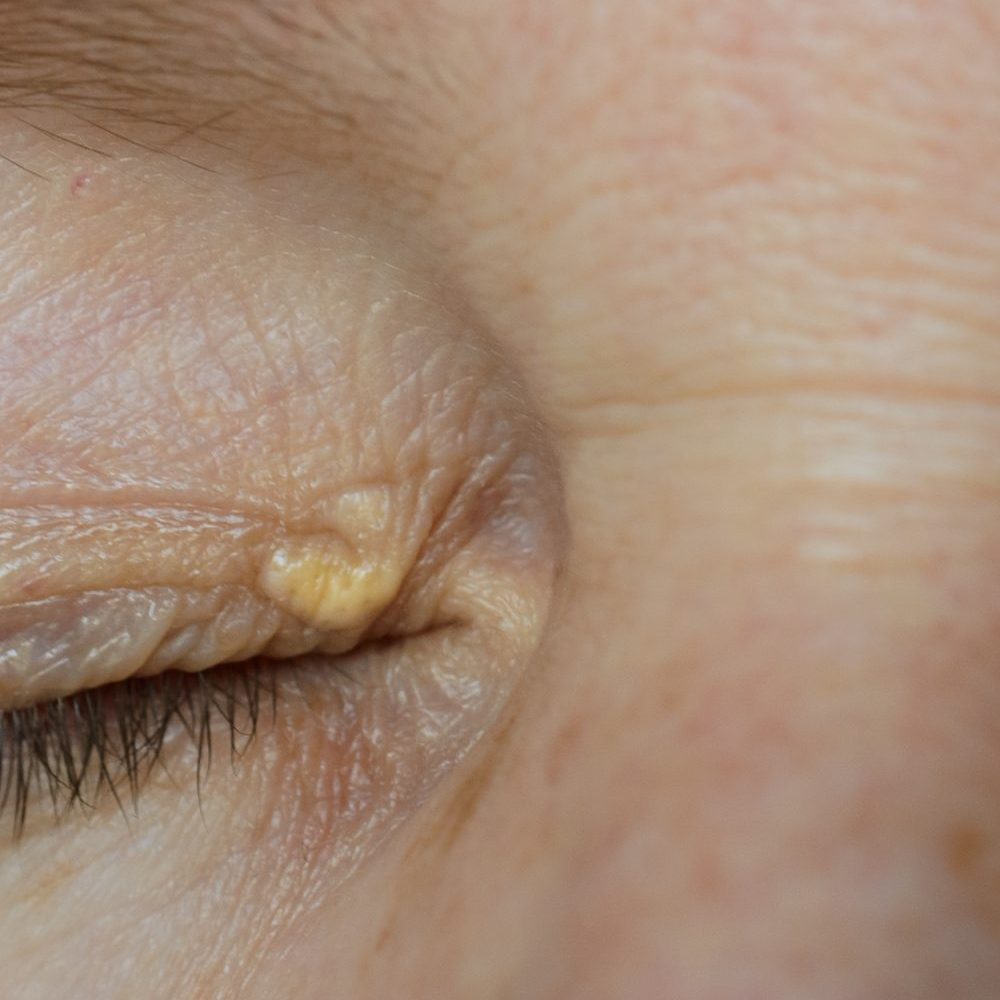
Xanthelasma, also known as xanthelasma palpebrarum, appears as yellowish, flat or slightly raised plaques on the upper or lower eyelids, often near the inner corners of the eyes. These deposits contain lipid-laden cells and may gradually become more prominent.
What Causes Xanthelasma?
Possible contributing factors include:
- High cholesterol or other lipid abnormalities.
- Family history and genetic factors.
- Diabetes and other metabolic conditions.
- Increasing age.
Important: Xanthelasma can also occur in people with normal cholesterol levels. A medical assessment can help identify any underlying risk factors.
What Are the Symptoms?
Common signs include:
- Yellow or yellowish-white patches on the eyelids.
- Soft, flat or slightly raised plaques.
- Lesions near the inner corners of the eyes.
- Gradual enlargement or appearance of additional patches.
Xanthelasma is usually painless and does not typically affect vision. Consult a doctor if you notice new or changing lesions around your eyes.
Is Xanthelasma Dangerous?
Xanthelasma itself is generally harmless. However, it may be associated with elevated cholesterol or cardiovascular risk factors.
Your doctor may recommend a lipid profile and, when appropriate, tests for diabetes or other metabolic conditions. Treating high cholesterol is important for overall health, although it may not eliminate existing patches.
What Are the Treatment Options for Xanthelasma?
Treatment may be considered for cosmetic reasons. The appropriate option depends on the size, depth and location of the lesions.
1. Laser Treatment: Selected laser procedures can help remove or reduce plaques. Potential risks include scarring, pigmentation changes and recurrence.
2. Surgical Excision: Surgical removal may be suitable for certain larger or deeper lesions. Possible risks include scarring, changes in eyelid contour and recurrence.
3. Other Specialist Procedures: Carefully selected chemical or other procedures may be considered by an experienced clinician.
Because eyelid skin is delicate, treatment requires professional assessment and appropriate eye protection. Never attempt to remove xanthelasma at home using acids, needles or wart-removal products.
Can Xanthelasma Return After Treatment?
Yes. Xanthelasma can recur after removal, either at the original site or nearby. Managing cholesterol abnormalities and following medical advice can support overall health but cannot guarantee that the patches will not return.
How Can You Reduce Your Risk?
Although xanthelasma cannot always be prevented, helpful measures include:
- Eating a balanced diet rich in vegetables, fruits and whole grains.
- Engaging in regular physical activity.
- Maintaining a healthy body weight.
- Avoiding tobacco.
- Monitoring cholesterol and blood sugar when recommended.
Xanthelasma Treatment in Nashik at SkinMuse Plus Clinic
If you are looking for xanthelasma treatment in Nashik, a professional consultation can help confirm the diagnosis and identify suitable treatment options.
At SkinMuse Plus Clinic, Nashik, we focus on individual skin assessment and personalised treatment guidance, prioritising safety and realistic expectations.
Book a consultation to discuss your concerns and explore appropriate treatment options.
Frequently Asked Questions
1. Is xanthelasma the same as milia?
No. Xanthelasma consists of lipid-laden cells, while milia are tiny cysts containing keratin.
2. Does xanthelasma always mean high cholesterol?
No. It can occur even when cholesterol levels are normal. A lipid profile may be recommended.
3. Can creams remove xanthelasma?
Ordinary skincare creams generally do not remove established xanthelasma. Consult a qualified clinician about treatment options.
4. Is xanthelasma removal permanent?
Not always. Recurrence is possible even after successful removal.
5. Is xanthelasma treatment safe?
Treatment can be effective when appropriately selected and performed by an experienced clinician. Care is essential because the lesions are close to the eyes.
6. When should I consult a doctor?
Seek professional assessment if you notice persistent yellow patches or new or changing lesions around your eyes.
SkinMuse Plus Clinic, Nashik
Be seen, Be felt, Be you.