


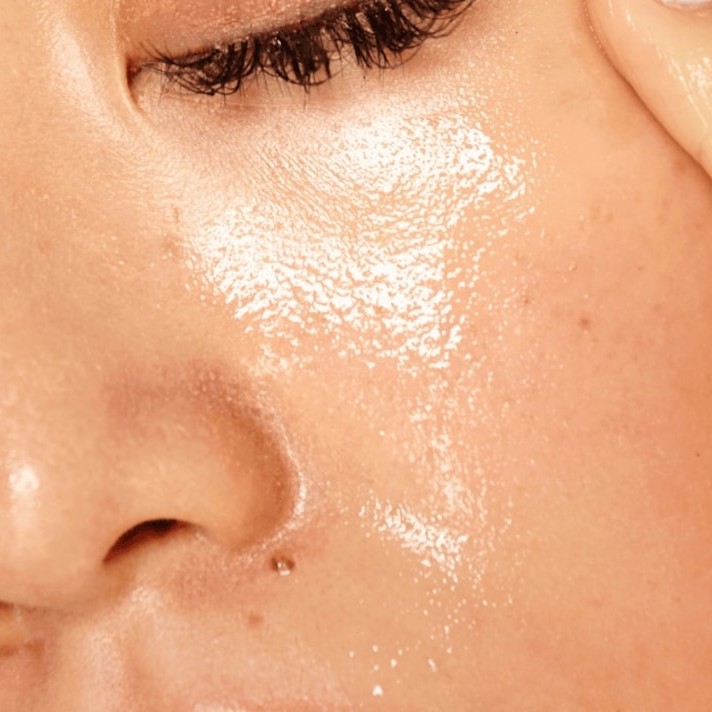
Oily Skin: Common Problems and the Best Daily Skincare Routine
Oily skin is one of the most common skin types, but managing excess oil can sometimes feel challenging. While natural oil, or sebum, helps protect and moisturize the skin, excessive sebum production can lead to a greasy appearance, clogged pores, blackheads, whiteheads, and acne.
The good news is that oily skin can be managed with a consistent and suitable daily skincare routine. The goal is not to remove all oil from your skin, but to maintain a healthy balance without damaging the skin barrier.
What Causes Oily Skin?
Oily skin occurs when the sebaceous glands produce more sebum than the skin needs. Several factors can contribute to excess oil production, including genetics, hormonal changes, stress, climate, and certain skincare or cosmetic products.
Using harsh cleansers or washing your face too frequently can also irritate the skin and potentially make it feel even oilier.
Common Problems Associated With Oily Skin
1. Excess Shine
Excess sebum can make the skin appear shiny or greasy, particularly around the forehead, nose, and chin.
2. Clogged Pores
Oil, dead skin cells, and impurities can accumulate inside pores, making them appear larger and increasing the risk of breakouts.
3. Blackheads and Whiteheads
When pores become clogged with oil and dead skin cells, they can develop into blackheads or whiteheads.
4. Acne and Breakouts
Excess oil can contribute to acne, especially when combined with dead skin cells, bacteria, and inflammation.
5. Makeup That Does Not Last
Excess sebum can cause makeup to become oily, separate, or wear off more quickly during the day.
Daily Skincare Routine for Oily Skin
A simple and consistent skincare routine can help control excess oil while keeping your skin hydrated and comfortable.
Morning Routine
Step 1: Use a Gentle Cleanser
Start your morning with a gentle, non-comedogenic cleanser designed to remove excess oil and impurities without stripping the skin.
Step 2: Apply a Lightweight Moisturizer
Oily skin still needs hydration. Choose an oil-free or lightweight, non-comedogenic moisturizer to help maintain the skin barrier without feeling heavy.
Step 3: Apply Sunscreen
Sunscreen should be an essential part of every morning skincare routine. Choose a broad-spectrum sunscreen with SPF 30 or higher and a lightweight, non-comedogenic formula that suits oily or acne-prone skin.
Evening Routine
Step 1: Cleanse Your Skin
Cleanse your face to remove sunscreen, makeup, excess oil, and accumulated impurities from the day.
Step 2: Use Targeted Skincare When Needed
Ingredients such as salicylic acid or niacinamide may be useful for oily or acne-prone skin. Introduce active ingredients gradually and avoid combining multiple strong products without professional guidance.
Step 3: Moisturize
Finish with a lightweight moisturizer. Proper hydration can help support the skin barrier even if your skin produces excess oil.
Skincare Tips for Oily Skin
- Avoid washing your face excessively throughout the day.
- Choose non-comedogenic skincare and makeup products.
- Avoid heavy, greasy products if they make your skin feel congested.
- Do not squeeze or pick pimples and blackheads.
- Change pillowcases regularly and keep makeup tools clean.
- Use sunscreen every day.
- Introduce new active ingredients gradually.
- Stay consistent rather than constantly changing your skincare routine.
What Should You Avoid If You Have Oily Skin?
Trying to completely eliminate oil can actually make your skincare routine more irritating. Avoid harsh scrubs, excessive cleansing, and products that leave your skin feeling tight or uncomfortable.
Oily skin does not mean you should skip moisturizer. Hydration and oil control are different things, and a lightweight moisturizer can help support a healthy skin barrier.
Final Thoughts
Managing oily skin is about balance, not eliminating every trace of oil. A gentle cleanser, lightweight moisturizer, appropriate treatment products, and daily sunscreen can form the foundation of an effective oily skin care routine.
If you experience persistent, painful, or severe acne, consult a doctor rather than relying only on over-the-counter skincare products.